八
工艺纪实Craft Notes
/craft-notes
1. 页面导语
工艺纪实
网页上的工序是整齐的,现场里的工序是有声音的
这一页记录三类工序:造纸、刺绣、竹编。影像取自产区的作坊与车间,保留原声与环境光,不调色、不加字幕特效。我们留下的不是“好看”,而是那道工序真实的样子:水有多凉,光有多斜,人要等多久。
2. 现场是什么样子
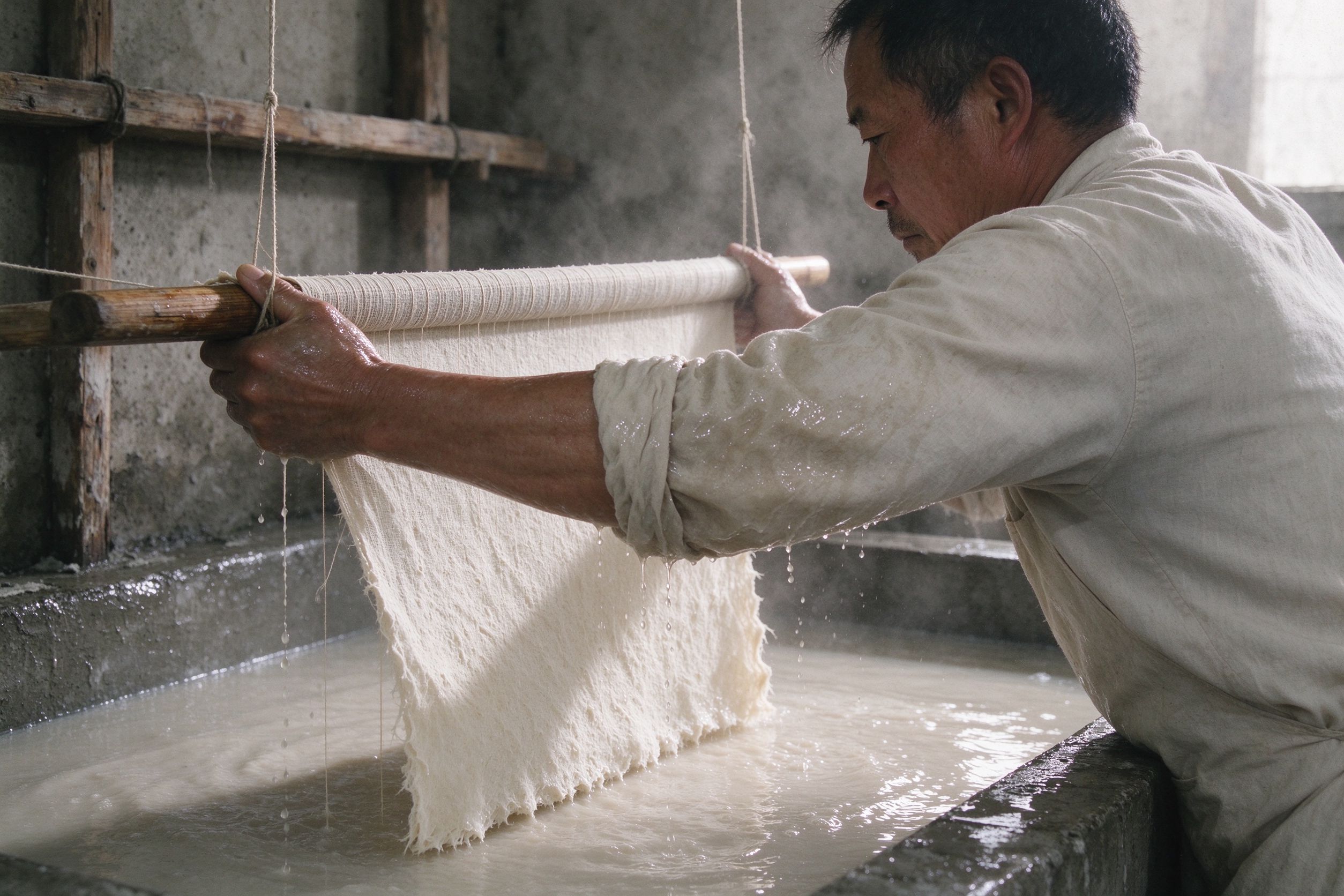
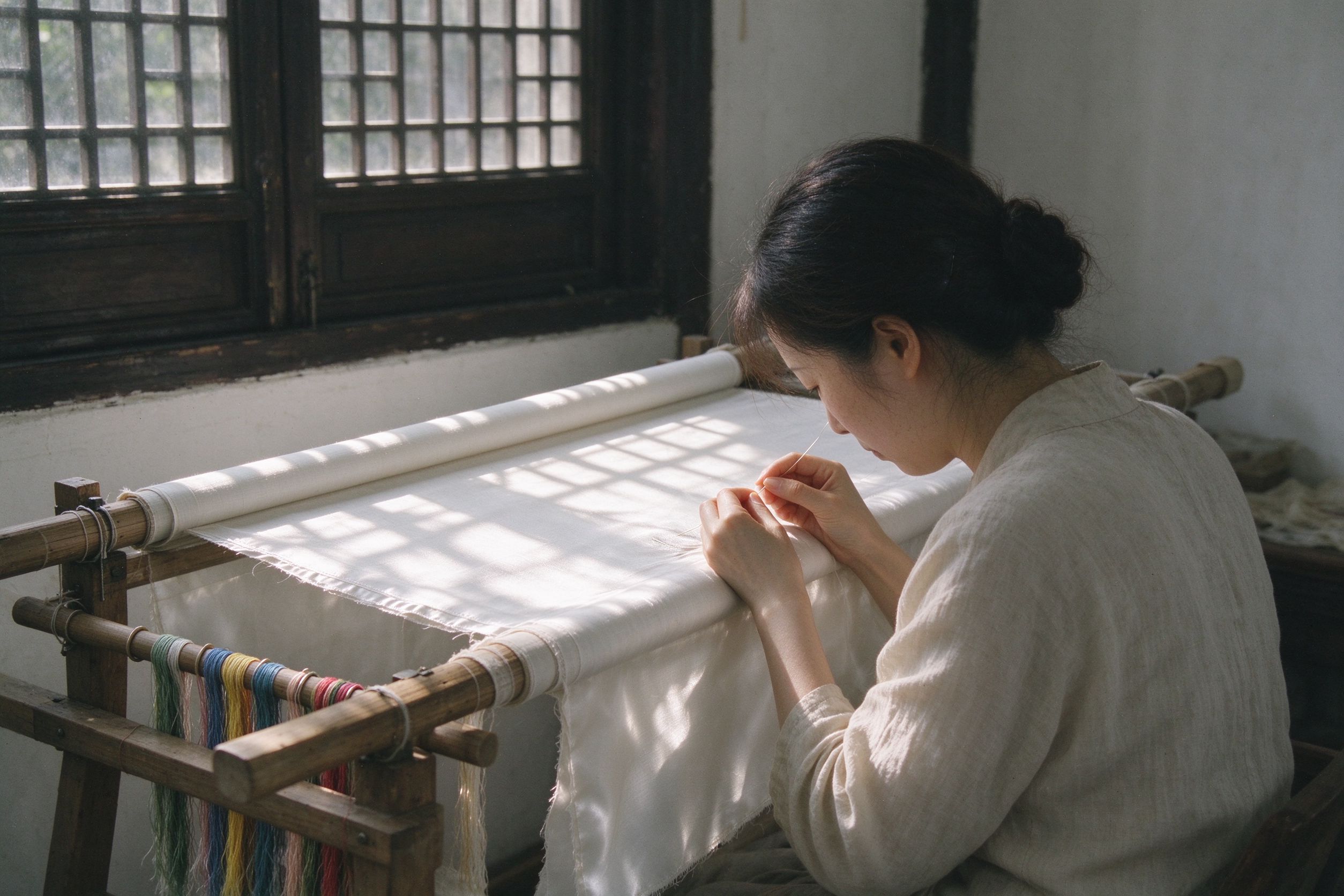
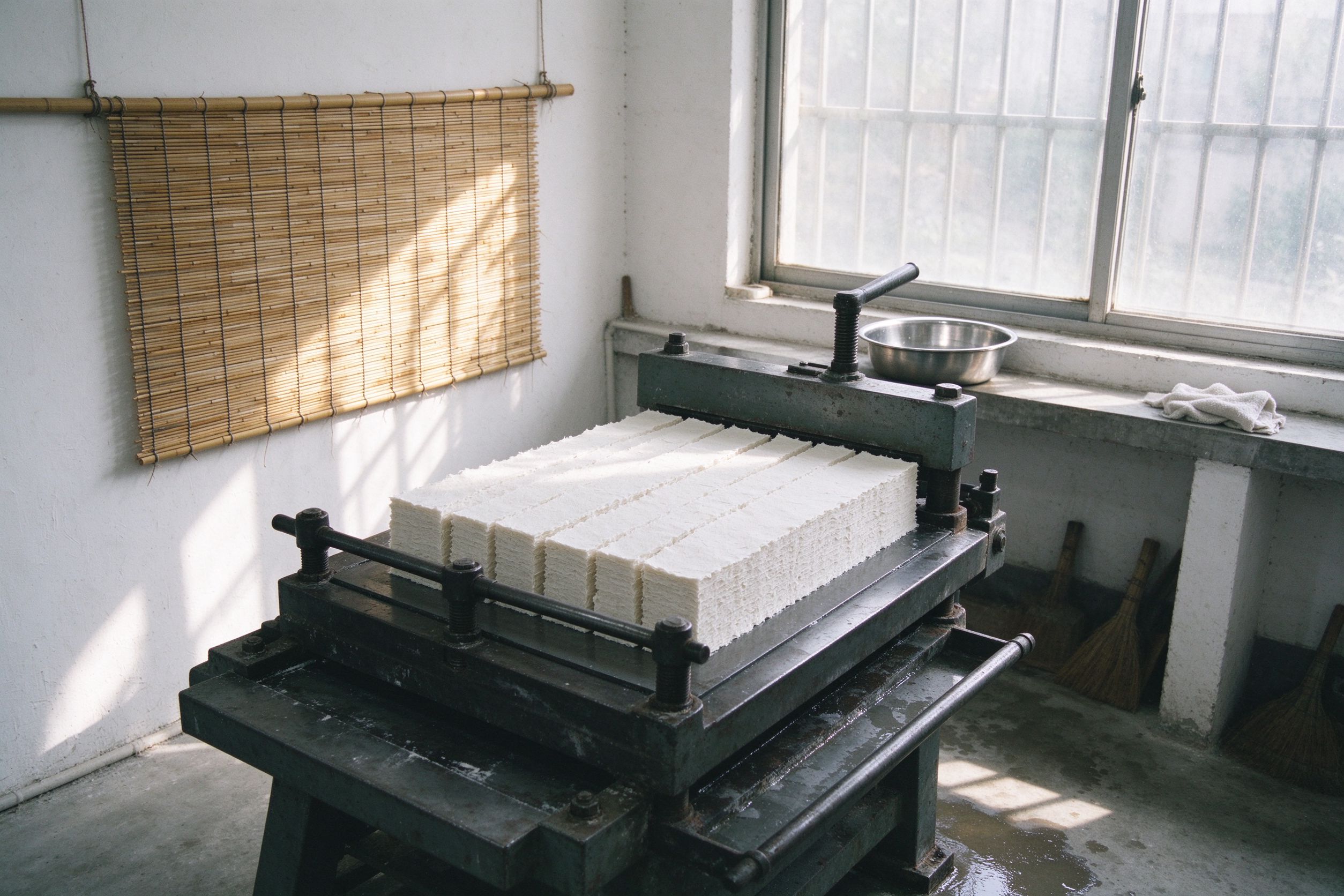
这些作坊多在老屋或厂房的一角。捞纸槽是水泥与木架拼起来的,纸帘挂在墙上晾着;绣房一定要靠窗,光线要斜着进来,才看得清丝线的颜色差别;墨室的温度不能太高,否则墨锭晾着晾着就会裂。地上常年有水、竹屑和纸边,空气里是胶、松烟和晒纸的味道。
我们去拍的时候只带一台机器和一支录音笔,不摆拍,也不要求工序停下来配合。拍得到多少,就写多少;没拍到的部分,宁可不写。
3. 匠人与他们的手
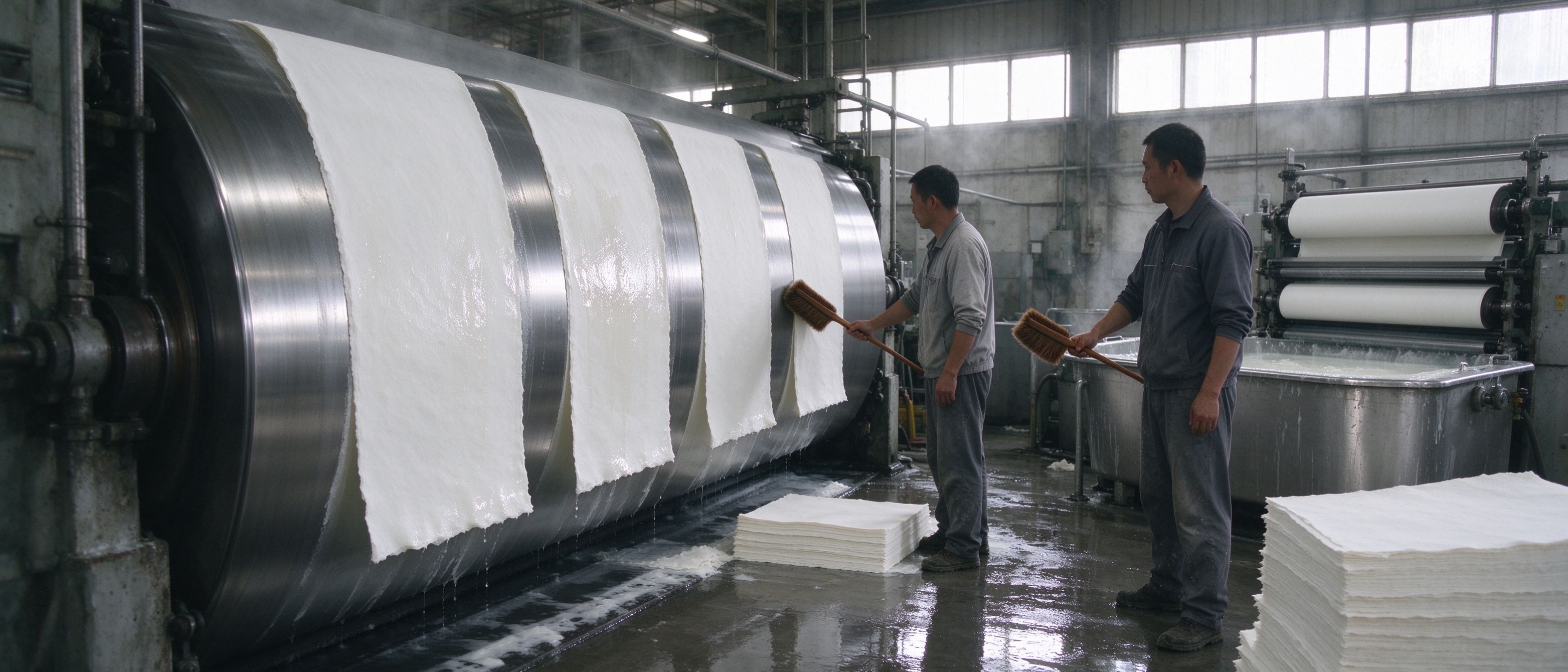
捞纸师傅:一天要抬几百次帘,手腕不能抖。他说最难的是“匀”:纸厚一分则涩,薄一分则漏,同一槽浆要抄出一样厚的纸,靠的是腰、腕和呼吸的配合。
绣娘:一件小幅双面绣要做三到六个月。她习惯从最深的一色开始绣,一层层往上提亮,绣到最亮处只留几针。她说不着急,急的那一针一定看得见。
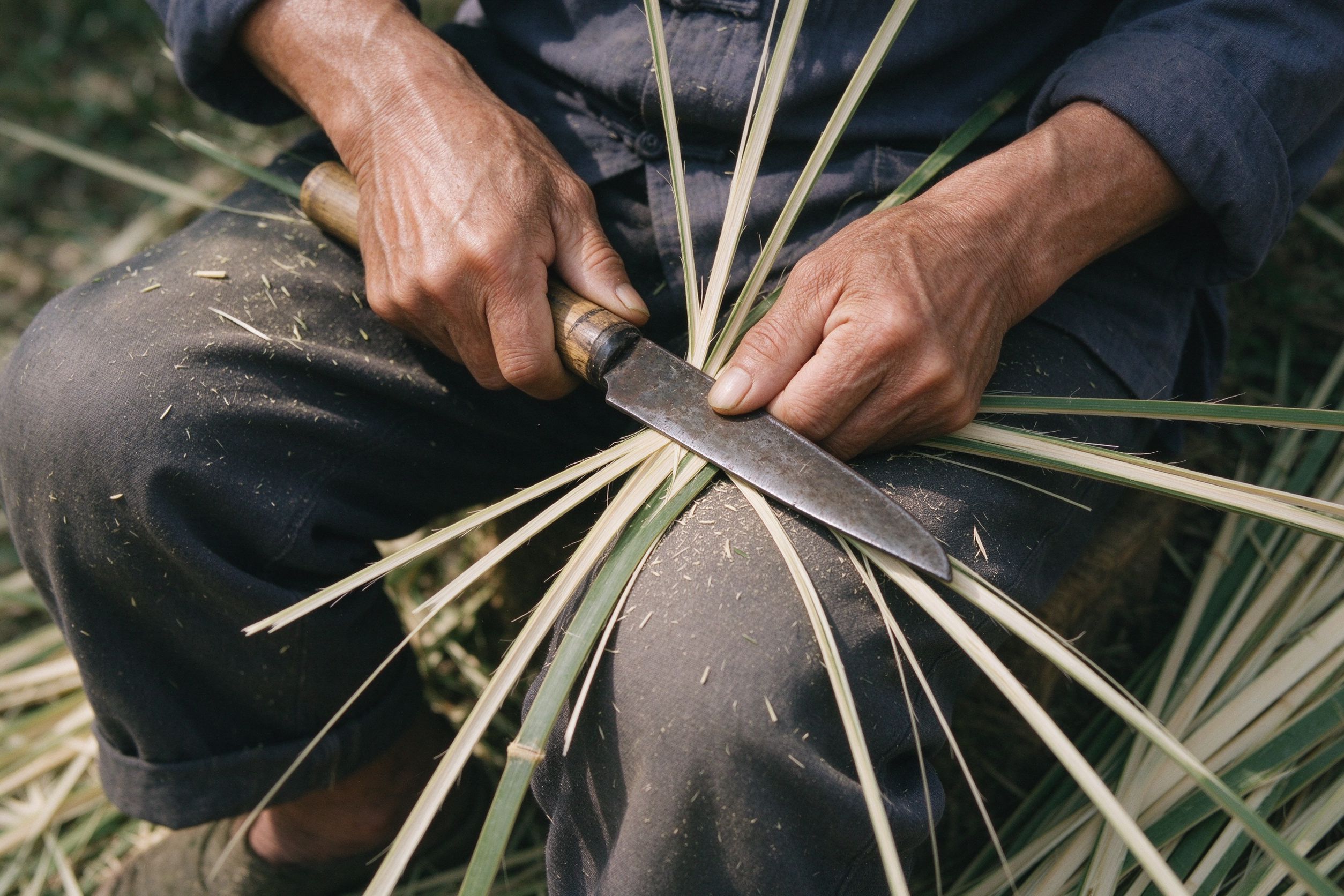
篾匠:破篾时刀口要正,篾条宽窄差半毫米,编出来就会歪。他编一只篮子不用尺,靠拇指量:篾条卡在指节与指甲之间,刚好就是那个宽度。
4. 影像说明
影像按“选料—成型—修整”的顺序剪辑,一段只讲一道工序,片长两到四分钟,方便课堂与教研引用。画面保留现场原有的墙面、木架、水痕与粉尘,不做滤镜、不做加速;同期声保留,可以听见水声、刀声与说话声。
每段影像都标注拍摄地点、工序阶段与拍摄时间,便于查证。若用于教学、展览或出版,请先通过联系页面告知用途,我们会提供对应的工序说明与拍摄信息。
5. 关于这套记录
有一点需要说明:本站不是作坊,也不经营手艺,只做记录。这里没有门店,也不接待参观。画面来自产区里可走访的作坊,文字来自工序访谈与公开的工艺资料;凡是我们没有亲眼见过的,都会写明“相传”或“一般认为”。
如果你想更靠近这门手艺,更好的路径是去当地的传习所、非遗馆,或者本身就开放参观的作坊。来信可以问工序上的细节,我们按看过的东西回答;至于去哪儿看,我们只说看见过什么、按什么顺序看更清楚。
这套记录会一直往下写:一次只加一类材质、一道工序。它不是一个导览,也不是一份目录,只是一些把时间花在材料上的笔记。
1. Page introduction
Craft Notes
A process looks tidy on a web page. On site it has a sound
This page records three kinds of work: paper making, embroidery and bamboo weaving. The footage comes from workshops in the regions where these crafts are still made, with original sound and available light, no color grading and no added effects. What we keep is not how good it looks, but how the step actually is: how cold the water is, how low the sun sits, how long someone waits.
2. What the places are like
Most of these workshops sit in an old house or in one corner of a factory. The paper vat is built from cement and timber frames, with screens hanging on the wall to dry. An embroidery room has to face a window, and the light has to come in at an angle, or you cannot tell one shade of silk from another. An ink room cannot be too warm, or the sticks will crack as they dry. There is always water, bamboo shavings and paper trimmings on the floor. The air smells of glue, pine soot and drying paper.
We take one camera and one recorder, we do not stage shots, and we do not ask anyone to stop working for us. We write down only what we were able to see; what we missed stays out.
3. The makers and their hands
The paper lifter: He raises the screen several hundred times a day and his wrist cannot shake. He says the hard part is evenness: a sheet slightly too thick feels rough, slightly too thin leaks, and every sheet from the same vat has to come out the same. It depends on the waist, the wrist and the breath.
The embroiderer: A small double-sided piece takes three to six months. She starts from the darkest tone and builds light layer by layer, leaving only a few stitches at the brightest point. She says there is no hurry; a hurried stitch always shows.
The bamboo weaver: The knife has to run true. Half a millimeter of difference in a strip and the weave goes crooked. He weaves a basket without a ruler, measuring with his thumb: a strip held between the joint and the nail comes out exactly the right width.
4. About the footage
The footage is edited in the order of the work itself: selecting, forming, finishing. Each clip covers one step, runs two to four minutes, and is made to be used in classrooms and teaching. The walls, timber frames, water marks and dust stay in frame. No filters, no speed changes, and the location sound is kept — water, knives and conversation included.
Each clip is labelled with location, stage of the process and date, so it can be checked. For teaching, exhibition or publication, please tell us the purpose through the contact page first, and we will pass on the process notes and shooting details we have.
5. About these notes
One thing should be clear: this site is not a workshop and does not run a craft business. It only keeps records. There is no shop here and no studio visit. The images come from workshops in the regions that can be visited; the text comes from talks on the work floor and from published material on the processes. Where we did not see something ourselves, we say so.
If you want to get closer to the craft, the better route is a local teaching center, a craft museum, or a workshop that already takes visitors. Write to us about a step and we will answer from what we saw. As for where to go, we can only say what we have seen and in what order it is easier to look.
These notes will keep growing: one material and one step at a time. They are not a guide and not a catalog, just notes from time spent with materials.
配图 · Illustrations
受著作权相关法规限制,本站未使用第三方实拍照片。本图为AI参照传统实物形制1:1复原绘制,仅作文化示意,并非真实藏品实拍。
Due to copyright regulations, no third-party photographs are used on this site. This image is AI-generated, faithfully reconstructed based on the traditional craft form for cultural illustration only. It is not a photograph of a real artifact.
权威档案 · Official archives
想要查阅官方档案、馆藏原始记载,可点击下方链接跳转至国家级权威平台阅读。
以上链接为国家平台的项目档案页,页内不设个人联系方式;站点侧栏的公众号二维码属机构自有渠道,非个人账号。