二
首页Home
/
1. 站点导语
素工 · 东方手作
一纸一墨,一线一纹,都是手与时间留下的痕
这里记录中国非遗手作的四种基本材质——纸、墨、丝、竹,以及今天仍在用它们做事的人。
从泾县的捞纸槽、湖州的笔坊、苏州的绣房到古徽州的墨室,工序的顺序、温度、气味,和那些必须停下来等待的时刻,写成可以慢慢读的文字。纸要在焙墙上烘干,墨要在暗处静置,绣面要一层层提亮,篾条要一根根剖薄。手作的节奏不是快,而是准。
如果你只是路过,欢迎从任意一页开始;如果你正在学习、教学或做设计,希望这里的记录能替你省下几次跑产区的路。
2. 东方非遗工艺理念
手作的道理,通常在材料里:非遗不是一种固定的式样,而是一套与材料相处的方法。三种态度,贯穿本站所有页面。
先懂材料:宣纸的韧性来自青檀树皮的长纤维,墨的光泽取决于烟与胶的比例,丝的经纬决定绣面能不能承住光,竹的年龄决定篾条会不会断。手艺人的第一课不是技法,是摸清手里的东西能做什么、不能做什么。
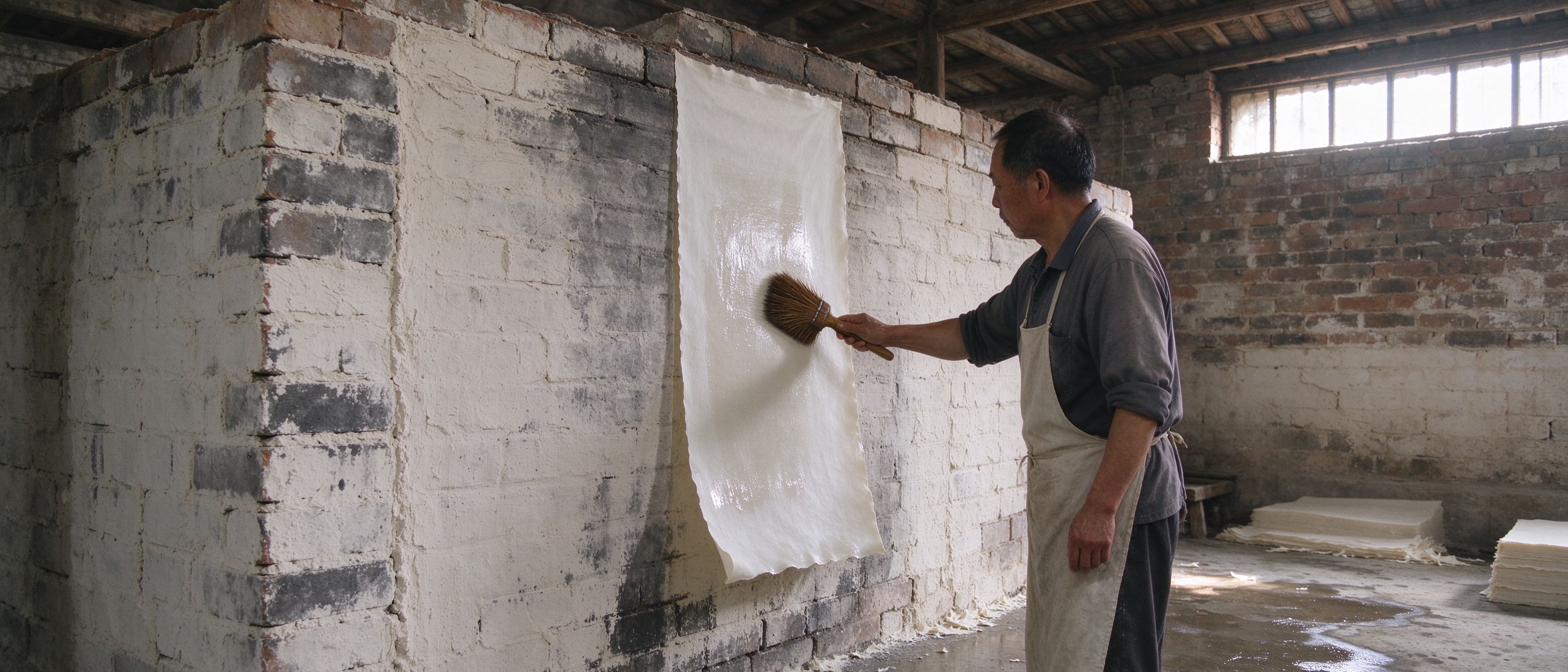
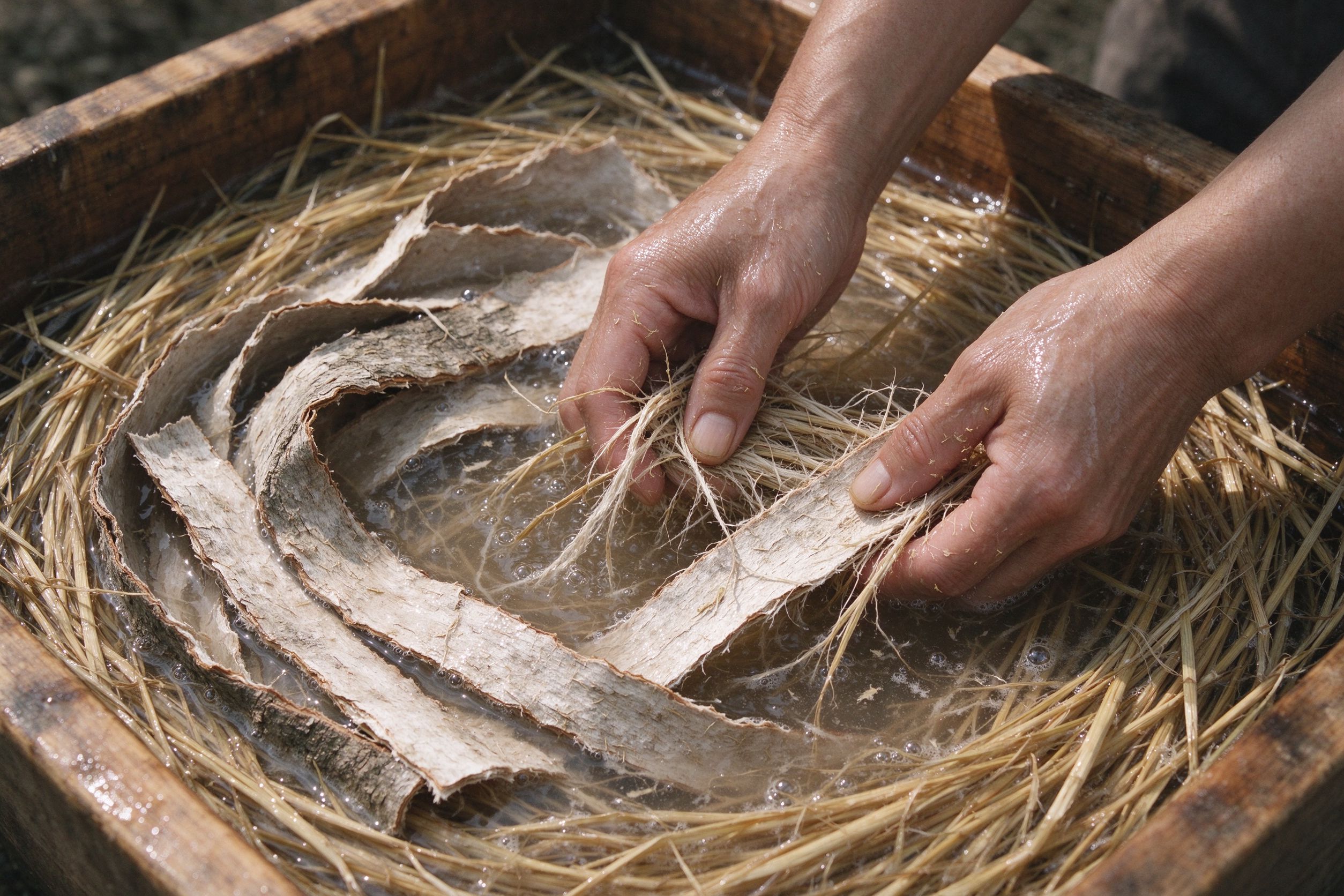
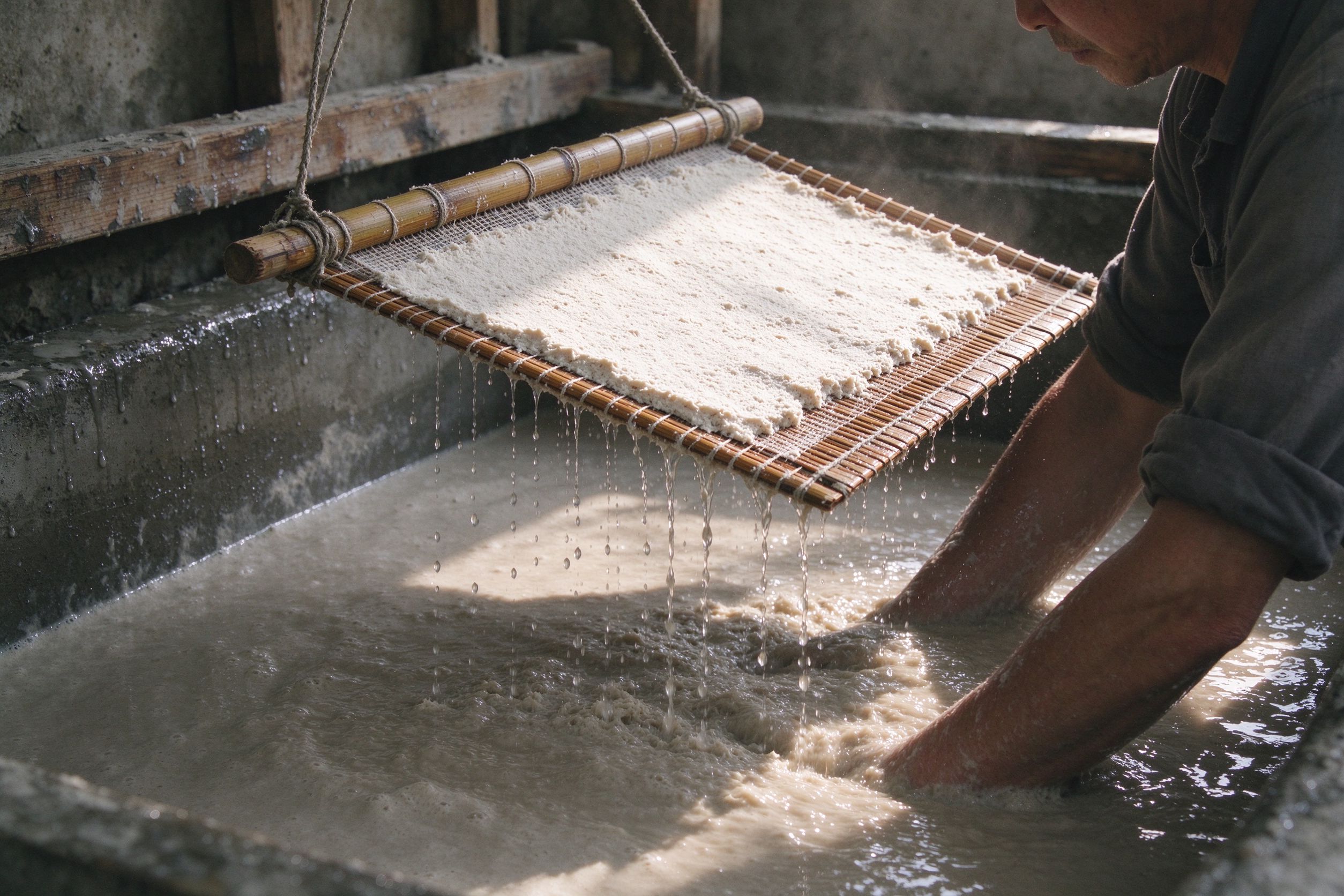
时间是原料:一张宣纸从树皮到成纸,要经过浸泡、蒸煮、打浆、捞纸、压榨、烘干与拣选;一块徽墨成型之后还要静置数月,让胶与烟慢慢安定。时间在这门手艺里不是成本,是配方的一部分。
分寸比技巧重要:针脚藏在背面,刀口收在纹样边缘,墨色停在将透未透处。所谓克制,是把多余的动作删掉,只留下必须的那一下。
这三条不写在墙上,只体现在成品上。所以看一件手作品,先看它的边、它的背面、它收笔的地方。
3. 手艺作品轮播介绍
轮播区选五件日常器物,每件只讲材质与做法,不作评价。文字控制在两行以内,与图片同屏,不遮挡主体。
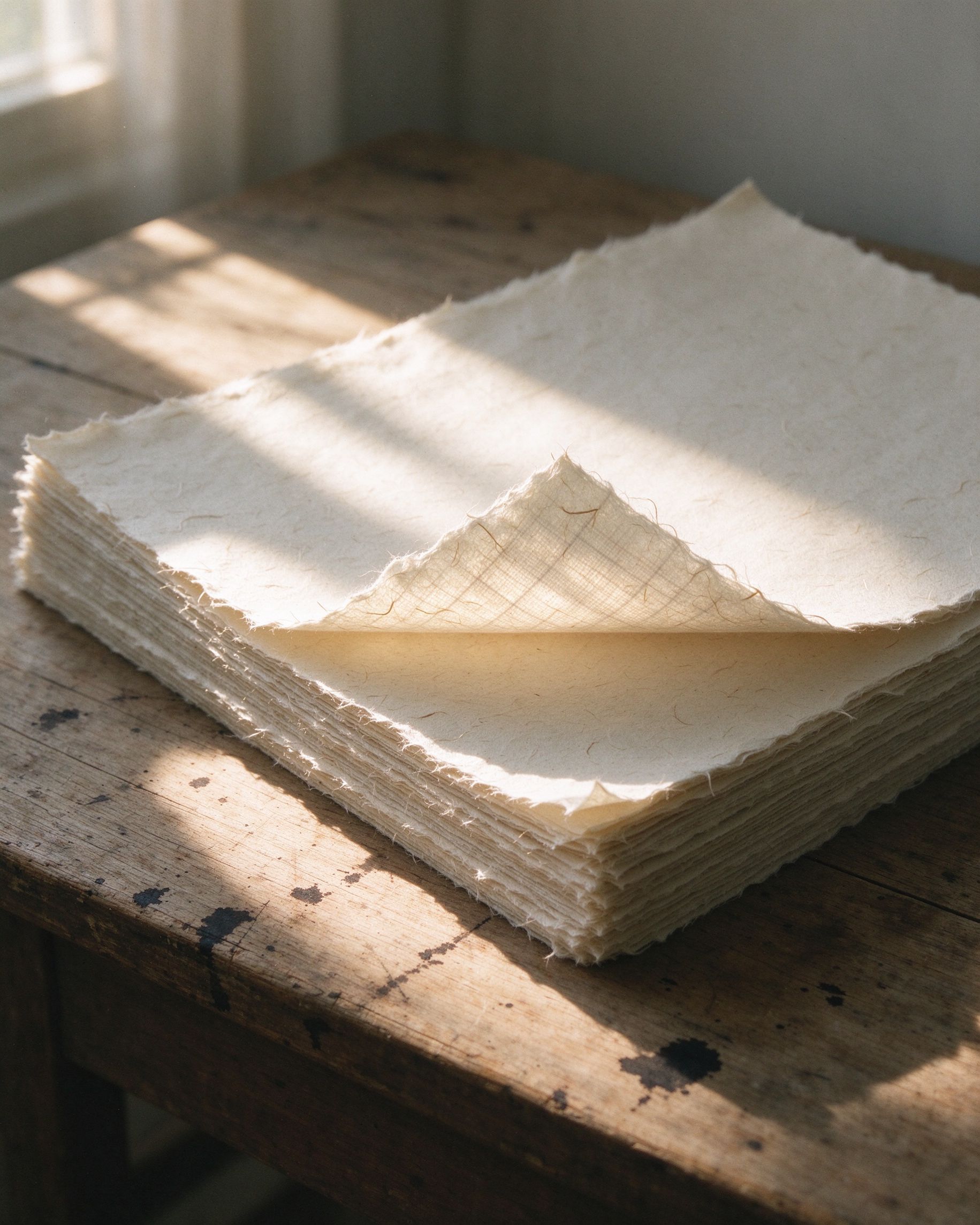
四尺宣 · 泾县捞纸:纸面有帘纹,迎着光能看到纤维的走向。落墨时水走得慢,笔痕边缘会留下一圈很浅的水线。
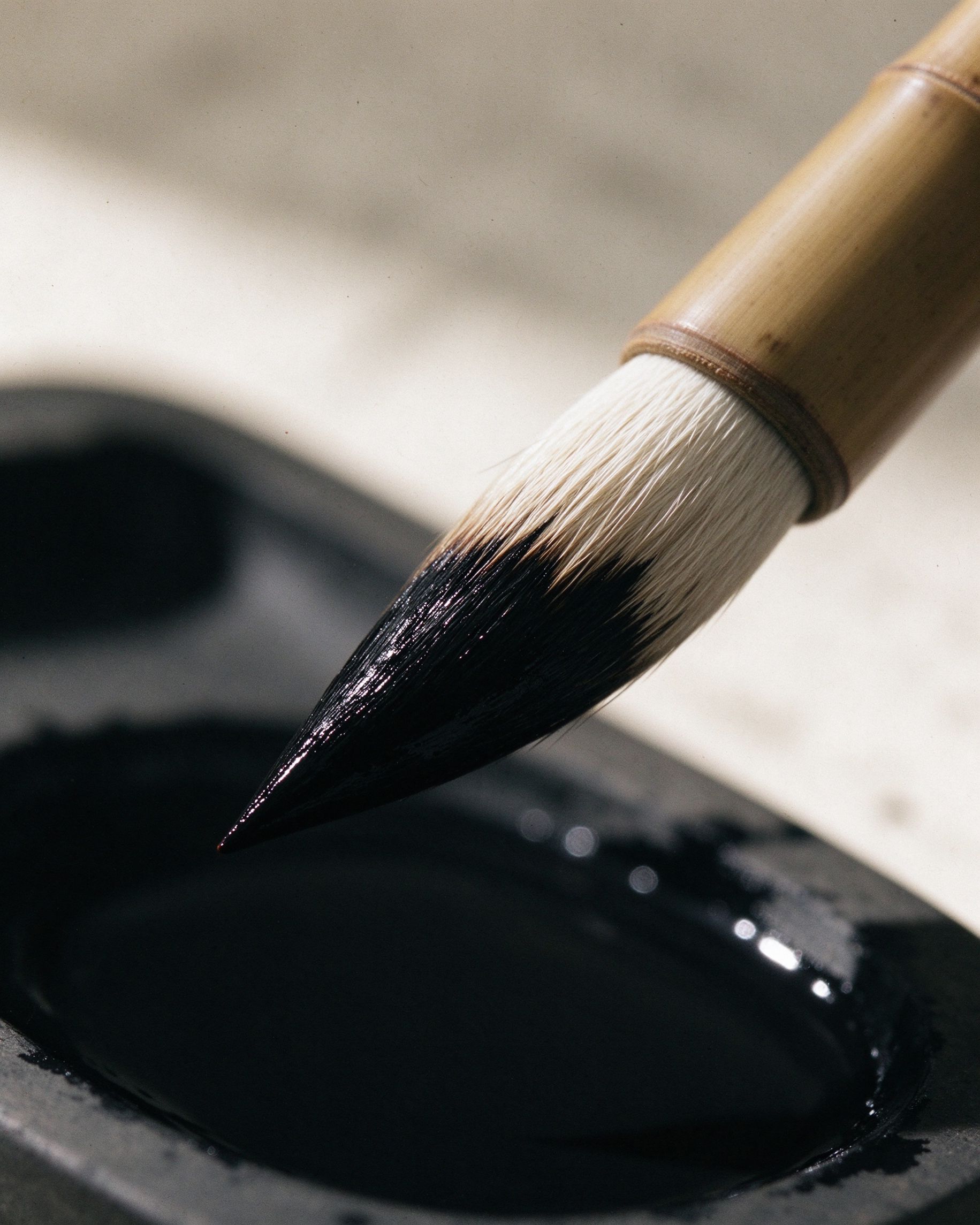
兼毫中楷 · 湖笔:羊毫为被,狼毫为柱,写一寸见方的楷书最稳。按下去有回弹,提起来收得住锋。
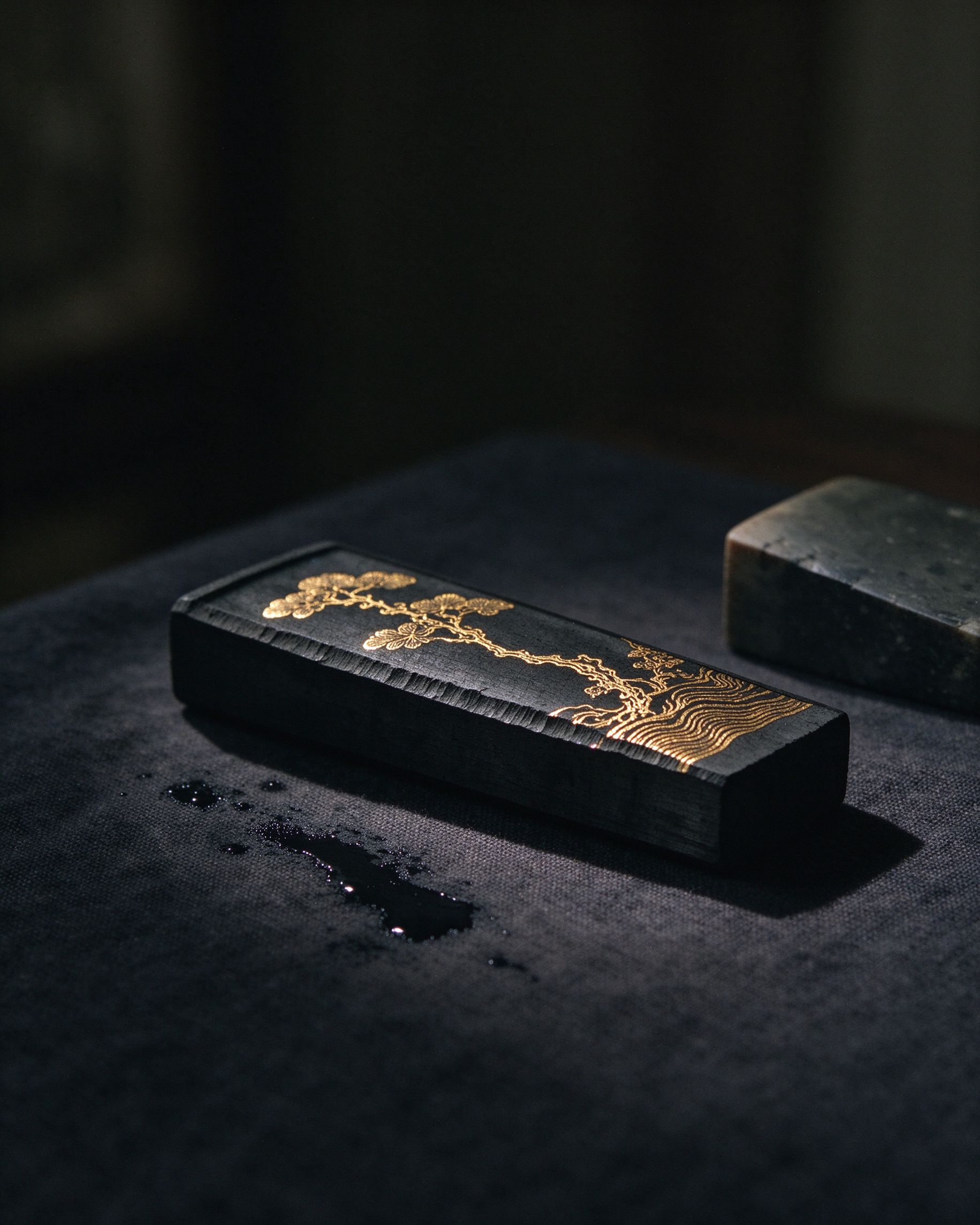
松烟写字墨 · 徽墨:墨色偏冷,写小字层次清楚。磨墨时水要少加、慢慢来,墨才不浮在砚面上。
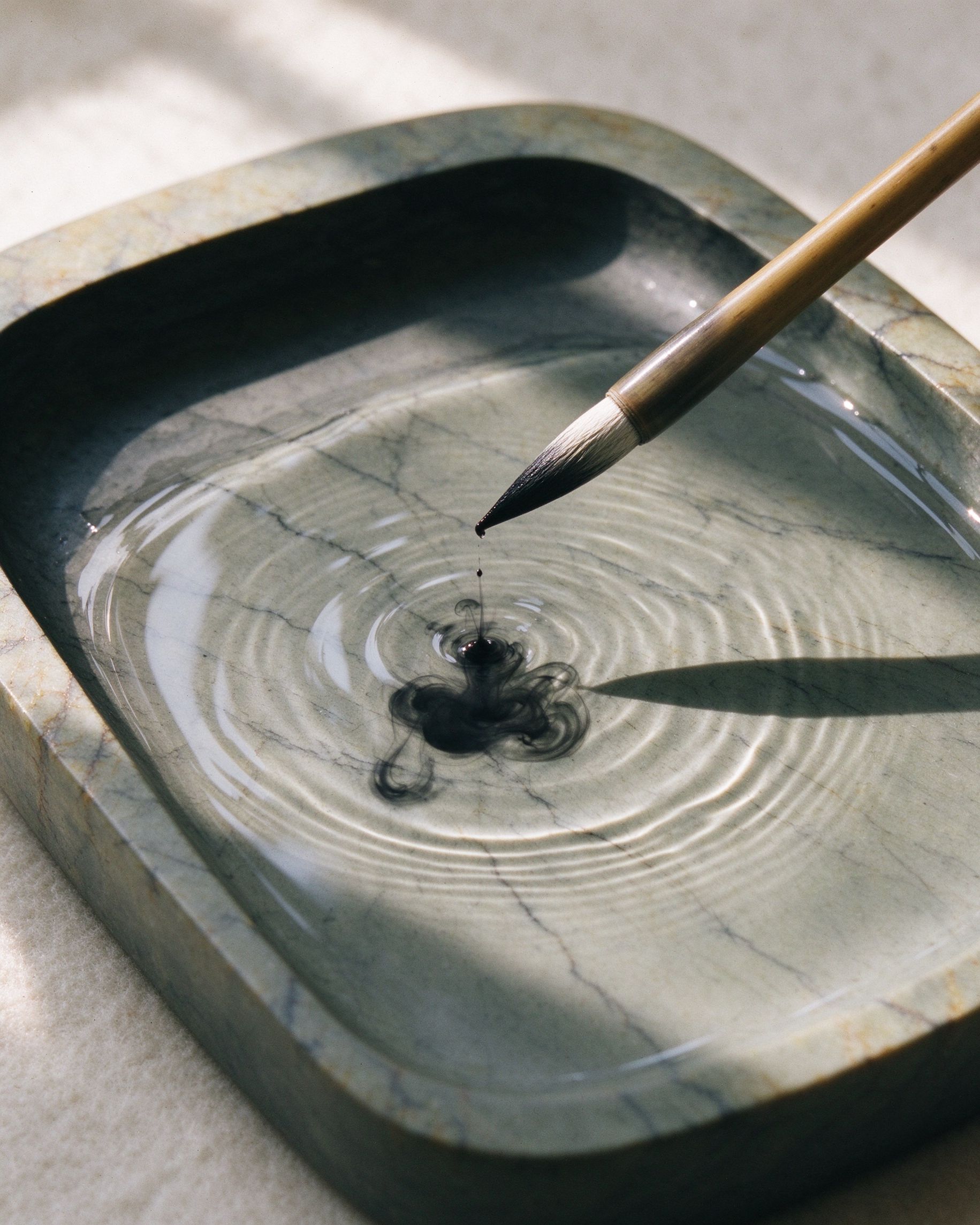
眉纹砚 · 歙砚:石纹像水面细波,发墨细而不滞笔。砚池留得浅,冲洗省事,也看得见墨的浓淡。
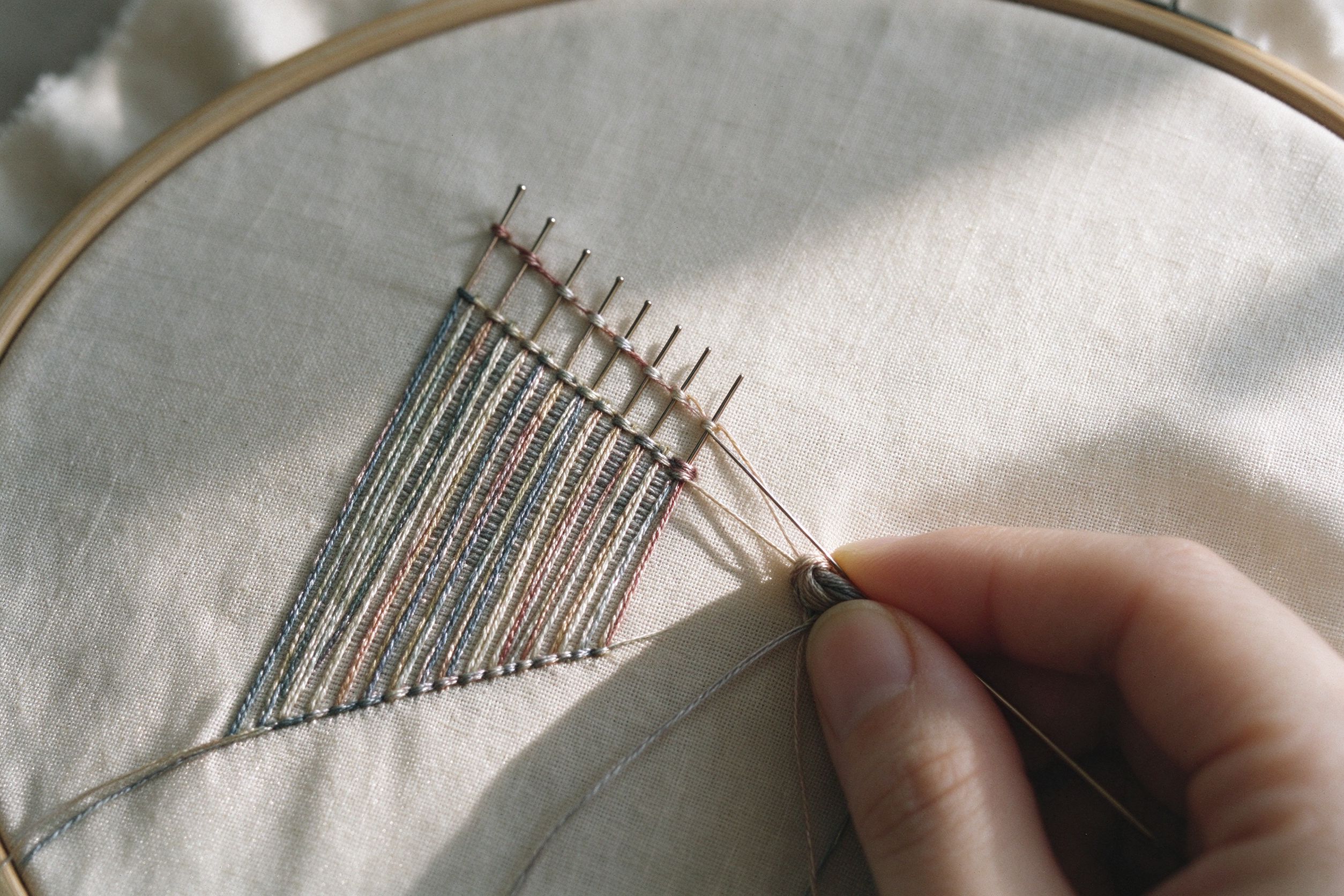
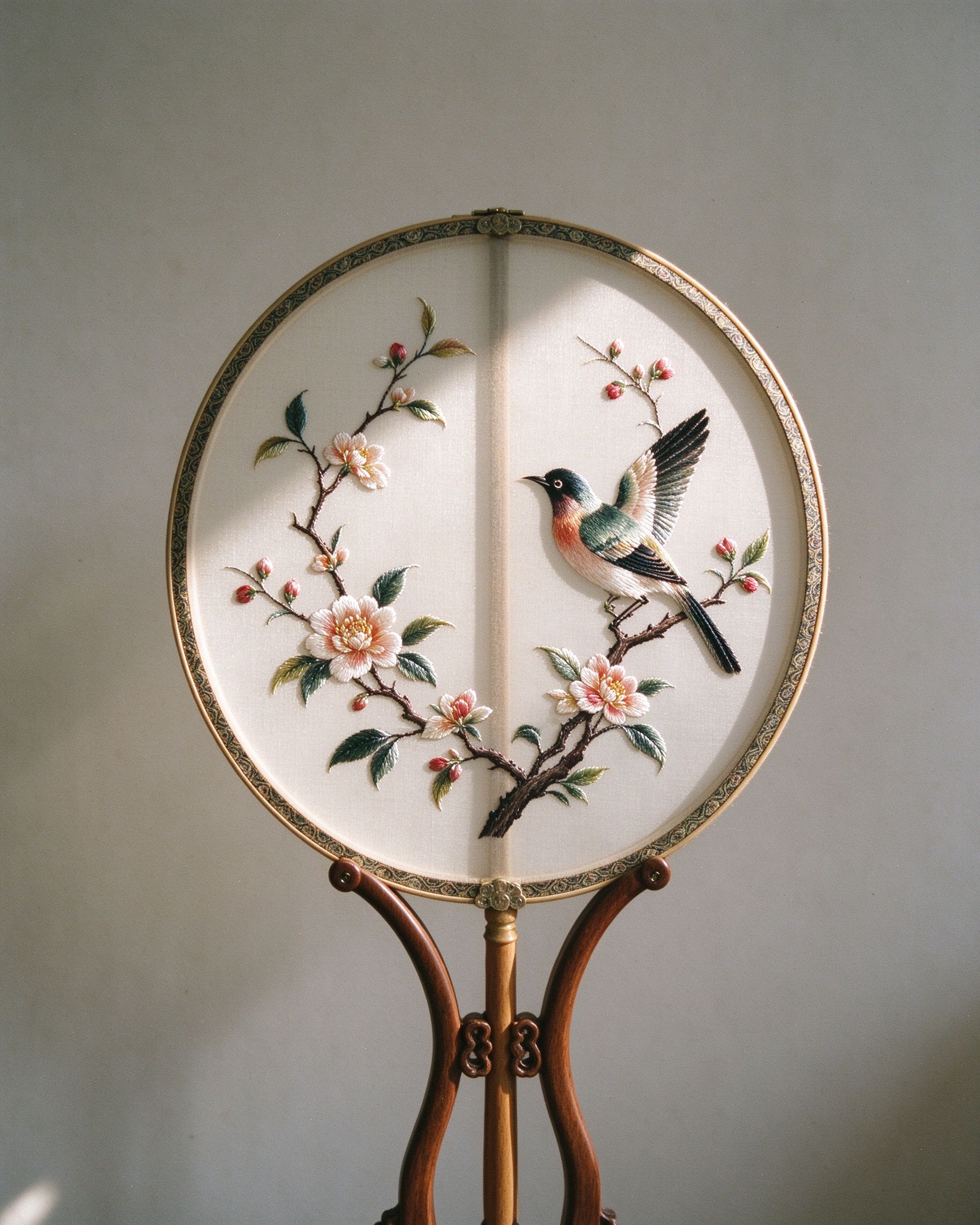
双面绣团扇 · 苏绣:一针两面,正反图案相同,针脚全部藏起。转动扇面时,不露线头。
4. 结语
慢一点看。
本站内容会持续补充新的产区走访与工序记录。若你在做相关的学习、教学、田野记录或设计,欢迎从联系页面找到我们。
1. Site introduction
Oriental Craft Heritage
Paper and ink, thread and reed — traces left by hands and time
This site records four basic materials of Chinese traditional craft — paper, ink, silk and bamboo — and the people who still work with them today.
We write from the paper troughs of Jingxian, the brush workshops of Huzhou, the embroidery rooms of Suzhou and the ink studios of the old Huizhou region. We write down the sequence of steps, the heat of the room, the smell of bark and glue, and the moments when work has to stop and wait. Paper has to dry on a heated wall. An ink stick has to rest in the dark. An embroidered surface is built up in layers. Bamboo has to be split thin, strip by strip. The pace of this work is not fast. It is exact.
If you are just passing by, start from any page. If you are studying, teaching or designing, we hope these notes save you a few trips.
2. Ideas behind the crafts
The logic of handmade work sits in the material: These crafts are not a fixed style. They are a way of getting along with materials. Three ideas run through every page here.
Know the material first: The strength of Xuan paper comes from the long fibers of blue sandalwood bark. The sheen of ink depends on the ratio of soot to glue. The weave of silk decides whether an embroidered surface can hold light. The age of a bamboo decides whether a strip will split. The first lesson is not technique. It is learning what the material in your hands can and cannot do.
Time is an ingredient: From bark to sheet, Xuan paper goes through soaking, steaming, beating, lifting, pressing, drying and sorting. A Hui ink stick rests for months after it is formed, so that glue and soot settle. Time here is not a cost. It is part of the recipe.
Restraint matters more than skill: Stitches are hidden on the back. The knife stops at the edge of the pattern. Ink stops just before it spreads too far. Restraint means removing every movement that is not needed and keeping only the one that is.
None of this is written on a wall. It only shows in the finished object. So when you look at a handmade piece, look first at its edges, its back, and the place where the maker stopped.
3. Pieces we record
The carousel holds five everyday objects. For each one we describe only the material and the method.
Four-foot Xuan paper · lifted by hand in Jingxian: The surface shows fine screen lines, and in the light you can see which way the fibers run. Water moves slowly in it, and the edge of a brush stroke leaves a pale ring.
Mixed-hair medium brush · Huzhou: Goat hair outside, weasel hair at the core. It is steadiest for regular script about an inch across. It springs back when pressed and holds its tip when lifted.
Pine-soot writing ink · Huizhou: The tone reads cool and keeps small characters clear. Add water a little at a time as you grind, and the ink will not float on the stone.
Eyebrow-grain inkstone · She: The grain runs like small ripples on water. Ink grinds fine without dragging the brush. The pool is kept shallow, which makes rinsing easy and shows the depth of the ink.
Double-sided embroidered fan · Suzhou: One needle, two faces. Both sides carry the same pattern and every stitch is hidden. Turn the fan and no thread ends show.
4. Closing
Take your time here.
We keep adding new field visits and process notes. If you are studying, teaching, doing field notes or designing around these crafts, you can reach us from the contact page.
配图 · Illustrations
受著作权相关法规限制,本站未使用第三方实拍照片。本图为AI参照传统实物形制1:1复原绘制,仅作文化示意,并非真实藏品实拍。
Due to copyright regulations, no third-party photographs are used on this site. This image is AI-generated, faithfully reconstructed based on the traditional craft form for cultural illustration only. It is not a photograph of a real artifact.
权威档案 · Official archives
想要查阅官方档案、馆藏原始记载,可点击下方链接跳转至国家级权威平台阅读。
以上链接为国家平台的项目档案页,页内不设个人联系方式;站点侧栏的公众号二维码属机构自有渠道,非个人账号。